
Are Connecticut Arrest Records Public
Yes, in most cases. Connecticut General Statutes § 1-215 opens the basic record of an arrest. It does so right away. The statute spells out what belongs in that record and where the line falls. It does not force a department to post every record online. Nor must an agency display a booking photo. Reports come from municipal police departments or Connecticut State Police. Dockets live with the courts. Custody profiles sit with DOC. Separate agencies, separate systems.
The Connecticut Freedom of Information statutes supply the framework. § 1-210 sets the general public-records rule. § 1-215 defines the arrest-specific piece. Under those rules, an arrest record carries the person's name, race, address, the date and time of the arrest, and the offense. Warrant arrests add the warrant application and its affidavit. For a warrantless arrest, the record includes the official arrest report, incident report, or something comparable.
Some details stay protected even in an otherwise public record. The law allows agencies to withhold or redact certain material. Witness identities can stay private. So can certain victim information, prosecution-sensitive material, and anything a court has sealed. Juvenile and erased matters fall outside the definition entirely. A response may arrive with portions blacked out for those reasons.
Connecticut Arrest Record Law
Section 1-215 must be read with the rest of the Freedom of Information Act. Section 1-210 generally lets a person inspect or receive public records, but statutory exemptions still apply. The general law-enforcement exemption does not hide the entire basic arrest record that § 1-215 makes public. Section 1-216 separately requires a law-enforcement agency to review uncorroborated allegations after one year and destroy them if they cannot be corroborated within the statutory period, unless another retention rule applies. It is not a promise that every arrest entry disappears after a year.
Connecticut has no general image-specific statute that requires online booking-photo publication or gives every person a fixed free-removal deadline. Section 1-17a in Chapter 3 concerns certain images made by a state agency for an identity document or similar purpose. Chapter 529 requires fingerprints, a photograph, and a physical description for covered arrests as part of criminal identification. Those rules do not create a public mugshot gallery or a general private-site removal duty.
For records requests, identify the police agency, town, date range, case number if known, and the exact record sought. The arrest report, identification photo, dispatch record, body-camera material, and court disposition may be held in separate systems. A broad request for every photo statewide is not how Connecticut stores these records and may trigger cost or mass-record rules.
The 1993 Connecticut Supreme Court decision in Gifford v. Freedom of Information Commission addressed access to more than basic identifying arrest information during a pending prosecution. Later legislation, including Public Act 15-164, clarified the current public arrest record and protections. The legislative report on Gifford explains that history.
Note: A records response can be partial when it protects witnesses, listed victims, sealed material, or an active prosecution.
Connecticut Arrest Record Access
Match the source to the stage. Want a police report or a photo policy? Ask the arresting department. Once a case opens, the Judicial Branch holds the docket and disposition. DOC answers only current DOC custody questions. A CSP press release is selective news, not a full arrest record. For an older report, a state or municipal archive may still have it after the live log rolls off.
| Question | Official route | Limit |
|---|---|---|
| What did police record at arrest? | Arresting municipal department or CSP records unit | Protected details can be withheld; image display is not promised |
| What happened in court? | Connecticut Judicial Branch case lookup | Online case details can change and are not a full history |
| Is the person in state custody now? | DOC Inmate Information Search | Not a recent-arrest list; status changes quickly |
| Was the event in a published log? | The local police department’s official log | Window, timing, fields, and adult/juvenile scope vary |
One rule governs requests: go to the agency that made or holds the record. The paths described in the Connecticut booking-photo landscape show why. A municipal PDF is one thing. A court result is another, and so is current DOC custody. There is no one statewide search. The Connecticut Clean Slate access guidance draws its own line. It separates a Judicial Branch case overview from an official criminal-history search through the State Police Criminal Records Unit.
Note: A person released after booking may leave a custody locator while the police agency still retains an arrest record.
Connecticut Photo and Record Limits
Connecticut's arrest records have no single statewide publishing format. Each city does things its own way. Reports from Norwalk, Hartford, Bristol, Bridgeport, Danbury, and New Britain are mainly text PDFs. None carries a consistent booking-photo field. A city portal or a press release may show an image now and then. That depends entirely on the source. The Department of Correction can hold identification material. None of it appears as a photo field in its public locator.
Juvenile matters are confidential under § 46b-124, apart from statutory exceptions. Juvenile arrest records sit outside the public arrest definition entirely. Youthful-offender material is restricted too. So a public log that skips those categories is working exactly as designed. The same protections cover witness identity. They also cover certain victim details, court-sealed material, and anything that could prejudice a pending prosecution.
When a source shows no photo, "not displayed" is the honest description. It does not prove an image was never taken. It does not prove the agency destroyed its copy either. Ask the custodian directly whether a releasable identification image exists. Then ask whether a statutory limit applies.
The DOC locator also leaves out ICE detainee and youthful-offender information. A blank result there proves nothing about an arrest. It also says nothing about a court case, a transfer, or federal detention.
Erasure and Connecticut Arrest Records
Connecticut calls its remedy "erasure." Under § 54-142a, police, court, and state's-attorney records tied to a charge are erased after a not-guilty finding or a dismissal. The appeal period must pass first, or the final appeal must be complete. A nolle works differently. It is not an acquittal. Erasure for a nolle generally arrives after at least 13 months. It remains subject to the statute's conditions and exceptions.
Section 29-15 handles fingerprints, photographs, and physical descriptions for someone with no prior conviction. That applies after a not-guilty finding, a dismissal, or a qualifying nolle period. The statute provides for return or destruction, with its own exceptions. It cannot force every independent publisher to drop every copy the day a charge is dismissed.
Clean Slate offers automatic erasure for eligible older, lower-level convictions. It also provides a petition route for qualifying people. It does not erase every arrest. Its public guidance puts the automatic program at convictions imposed on or after January 1, 2000. Many pre-2000 matters need a petition instead. The official Clean Slate program and its petition instructions spell out current eligibility and exclusions.
One more distinction matters. The Clean Slate record-access page separates the public court overview from an official State Police criminal-history request. They are not the same product.
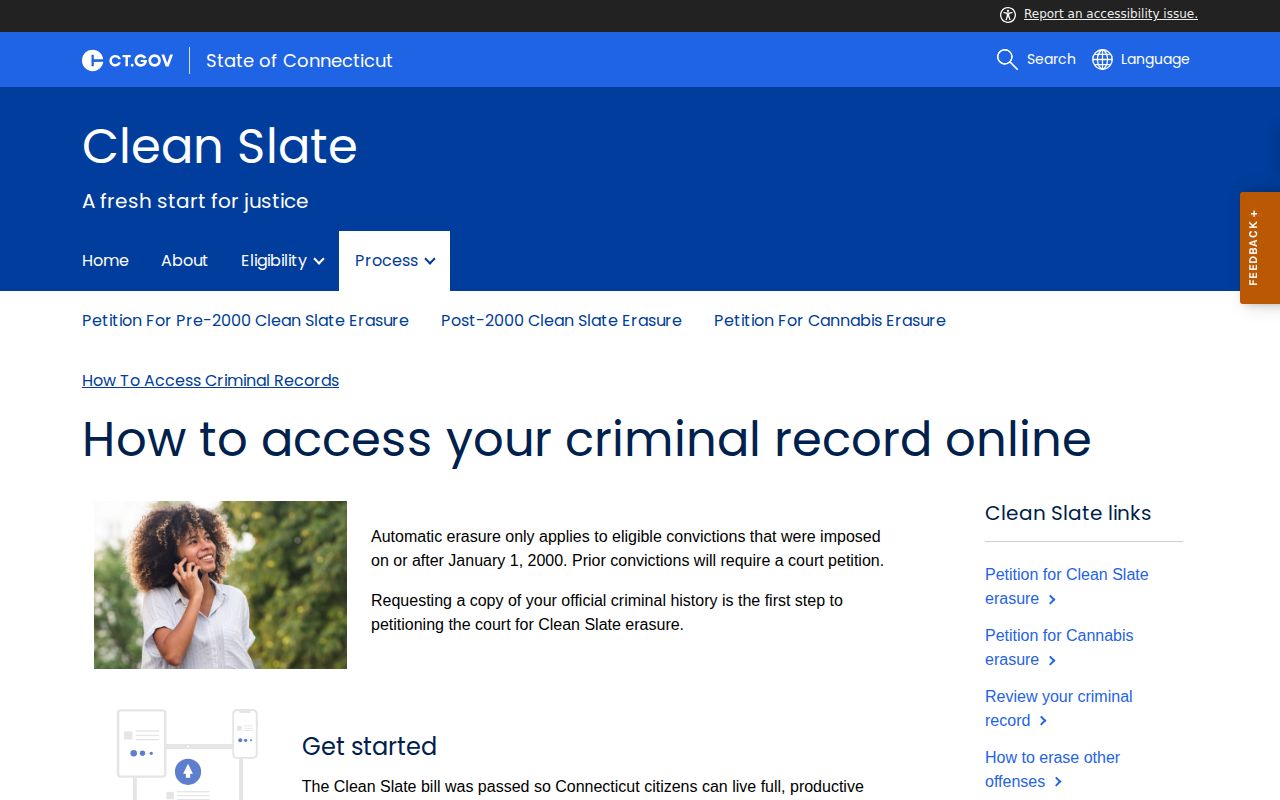
Eligibility turns on the offense, the date, sentence completion, the later record, and other rules. Use the official process rather than guessing from a charge label.
Connecticut Photo Removal Options
Erasure, agency correction, a publisher's free opt-out, and search-engine removal each act on different records. A request to one source never updates another. Save the page URL and official court proof. Then contact the actual record holder or publisher. Skip any unknown intermediary promising a fast takedown for payment; paying changes neither the court disposition nor the official file.
| Path | What it can address | Important limit |
|---|---|---|
| Police or court record | Correction, disclosure review, or statutory erasure | Use the originating agency and qualifying court result |
| § 54-142e notice | Covered bulk recipient’s update and deletion of an erased record | Applies to recipients meeting the statute’s purchase or mass-request terms |
| Free publisher policy | Incorrect, outdated, sealed, or erased listing under that publisher’s terms | Not a legal guarantee; documentation may be required |
| News correction request | Factual error or later case update for an article | Editorial review is discretionary; no universal takedown promise |
| Search-engine refresh | A stale result after the source page changes | Does not remove the original page or copies elsewhere |
One statutory lever exists. Section 54-142e in the erasure statute covers entities that purchase criminal public records or make a mass request of at least 50 records from the Judicial Department or a criminal-justice agency. A covered recipient must obtain updates. It must then permanently delete an erased record within 30 calendar days of notice. The Attorney General can order removal after a violation, and the statute includes a five-business-day mechanism. This is narrow. It is not a general free mugshot-removal law.
Publisher policies fill only part of that gap. RecentlyBooked's published free policy accepts proof for dismissed, erased, sealed, incorrect, juvenile, or duplicate listings. Accurate current public records generally stay up. Mugshots.com runs its own free update process under its own terms. These are site policies, not official Connecticut remedies. Neither Arrests.org nor Mugshots.zone lists a Connecticut state section or a free opt-out. Busted Newspaper shows no current Connecticut section either. Its free removal policy may still apply if a listing exists; it asks for legal documentation and quotes a 5–10 day review period.
Regional outlets covering Connecticut arrests include Hearst Connecticut titles, the Hartford Courant, WFSB, NBC Connecticut, News 12 Connecticut, Connecticut Public, the Republican-American, The Chronicle, and the Norwich Bulletin. Their coverage is editorial and selective. No outlet promises universal free removal. For Mugshots.com specifics, the Mugshots.com policy page lists its proof requirements for corrections and erasure updates.
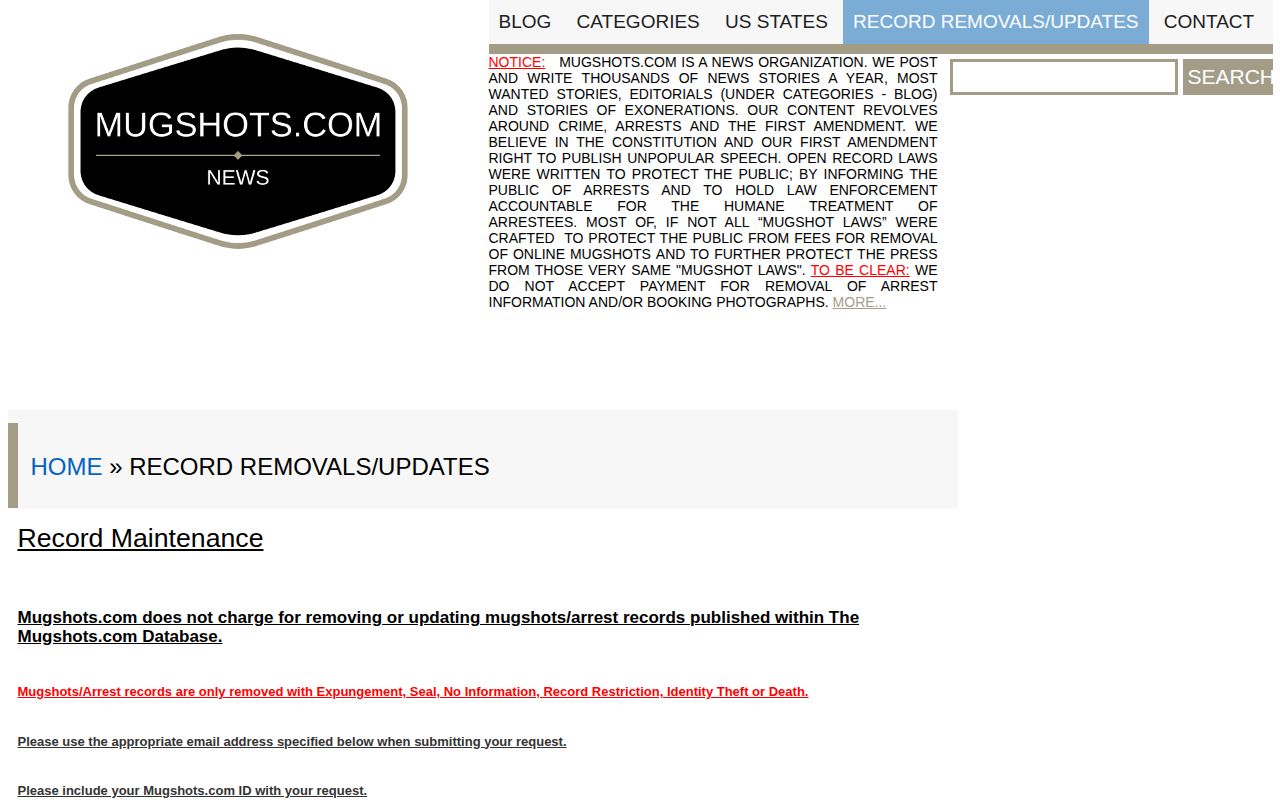
A policy page documents what a publisher says. It says nothing about whether a Connecticut listing exists or a request will be approved.
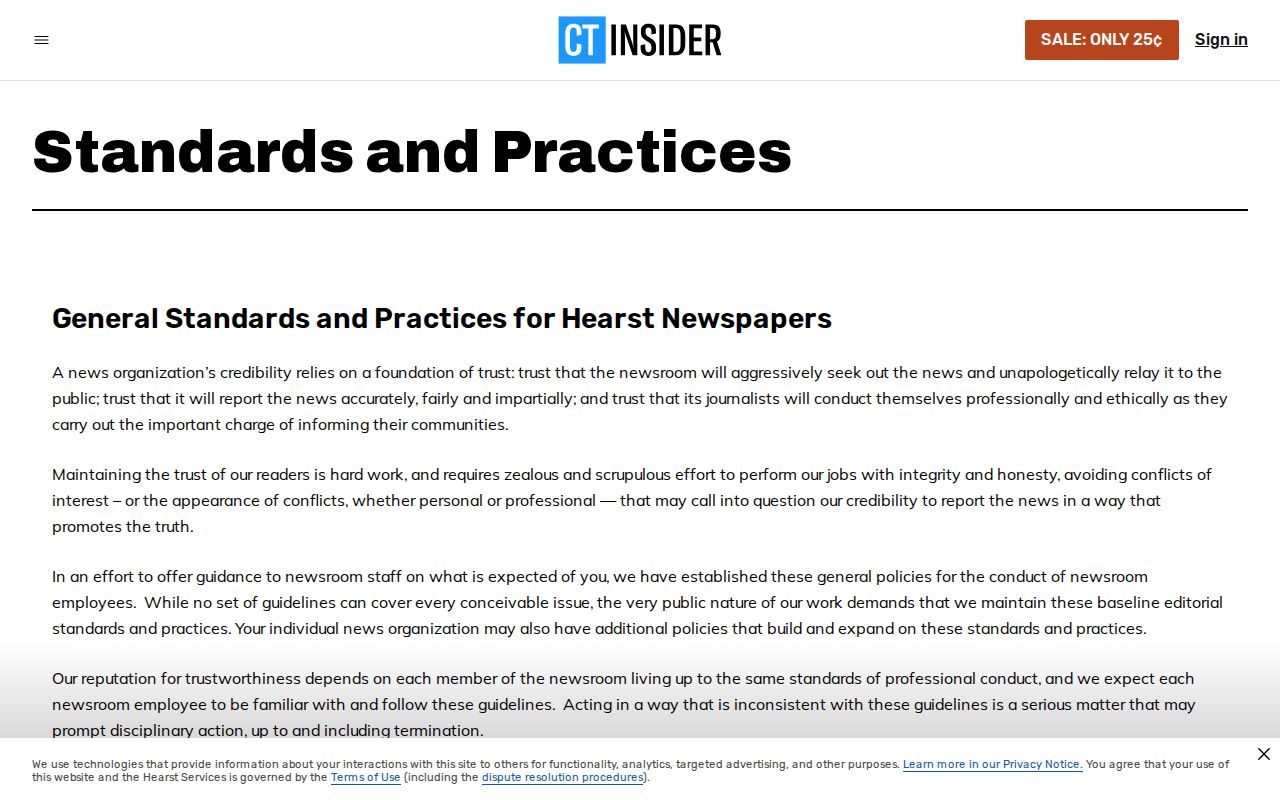
Hearst Connecticut titles describe a correction, update, and deindexing process with case-by-case review. The CT Insider standards page states that accurate reporting is generally not removed. It offers no guaranteed takedown.
Stale Google result? Use its Remove Outdated Content tool once the source has changed. That refreshes the index entry. The original article and any social copy stay where they are.
Note: A dismissed charge, nolle, acquittal, sealed record, and erasure are distinct outcomes; quote the court’s exact disposition.
Connecticut Arrest Record Archives
Retention and the web are two different things. A schedule tells an agency how long to keep an arrest record series. The official page may change later. Even then, copies linger. A PDF, a cached search result, or a copied booking photo can stay online. So ask the custodian which schedule code covers the report or image. Do not assume one statewide retention period applies to every photo.
The Connecticut State Library is the place to start. Its general municipal schedules and agency-specific state schedules set the baseline for Connecticut agencies. The library's redaction policy handles high-risk personal details in its materials, not ordinary embarrassment. The State Archives has its own reproduction rules. The State Archives request and reproduction instructions cite privacy, copyright, staff time, and fees. Each can shape an archival request.
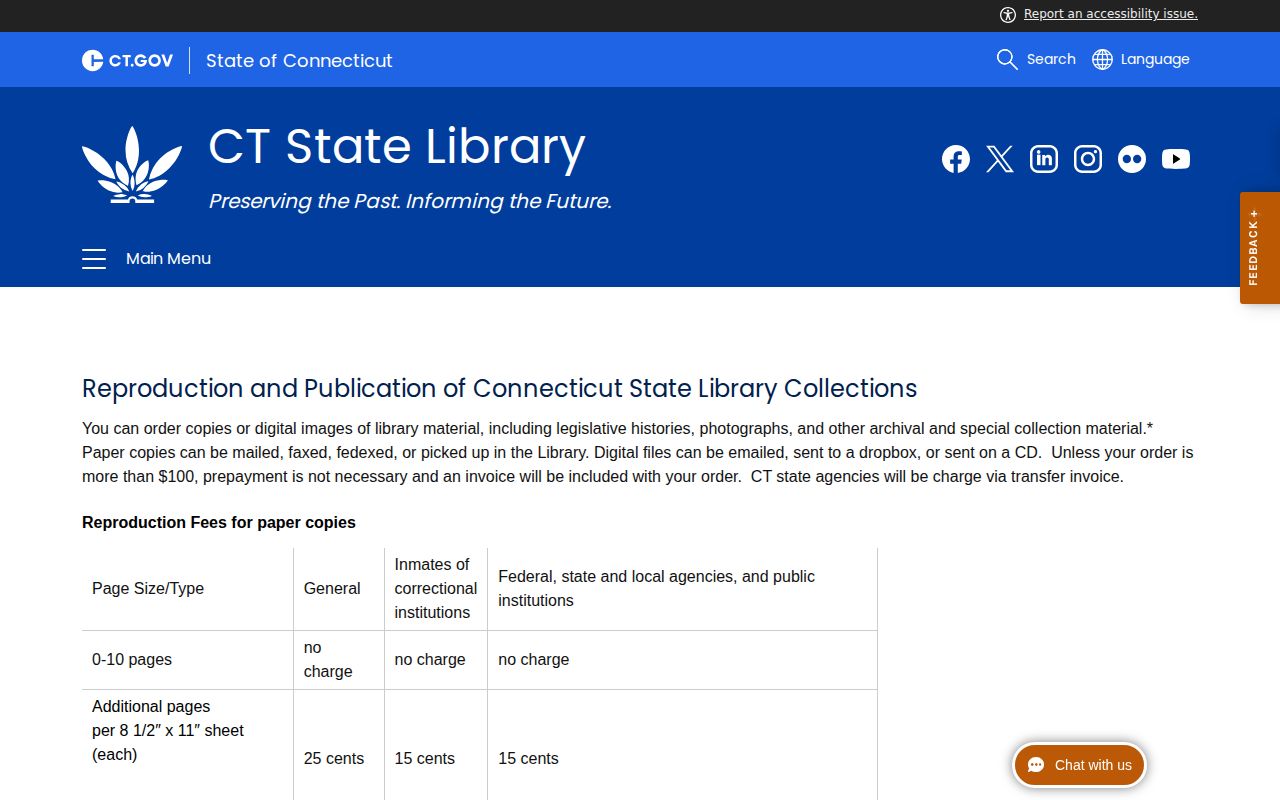
That policy governs material held by the State Archives, not current municipal police requests.
Note: Search-engine refresh follows a source correction; it does not erase records held by police, courts, newsrooms, or other publishers.